
New year intention: Deepening my relationship with herbalism
Over the coming year, I want to deepen my relationship with herbalism in a more grounded and intentional way. I already have a foundation to build on, so this feels less like starting something new and more like refining an existing practice.
My aim is to integrate herbalism more fully into my everyday life, allowing knowledge and experience to meet in a natural, unforced way.
I want to work with herbs more consciously and with greater nuance. This may look like creating more intentional formulations, like tea blends, infusions, oils, or tinctures. Guided not only by their traditional uses, but also by careful observation and personal experience.
I want to listen more closely to how my body responds over time and to understand plants as long-term allies rather than quick solutions.
A key part of this process for me is developing a deeper relationship with the plants themselves. I want to pay closer attention to their growth cycles, optimal harvesting times, and subtle qualities. Through journaling, reflection, and hands-on practice I hope to strengthen both my practical skills and my intuitive understanding. Allowing these two ways of knowing to support one another.
Most importantly, I want to approach this deepening with softness and respect. Advancing in herbalism, for me, is not about complexity for its own sake, but about clarity, care, and presence. Over the next year, I want to let this practice mature alongside me, steady, thoughtful, and rooted. Supporting balance, awareness, and a deeper sense of connection to the natural world.
As I continue to deepen my practice, I find myself gently drawn toward the long lineage behind herbalism. It carries a quiet history shaped by countless hands that gathered, dried, and prepared plants long before modern science gave names to their constituents. This knowledge emerged from daily life - through listening, observation, and an intimate relationship with the land and its seasons.
Across many cultures, herbalism was never separate from life itself. It was woven into caregiving, ritual, and survival. Plants were teachers, protectors, and companions, and their wisdom lived in stories, kitchens, and gardens. Much of this knowledge was passed down through generations, often held by women and local healers who worked quietly, guided by experience, intuition, and deep presence rather than written texts.
In medieval times, parts of this living tradition began to be recorded, particularly within monastery gardens where herbs were cultivated for both medicinal and spiritual purposes. These spaces became meeting points between intuition and structure, body and soul. The rhythm of tending plants, observing their effects, and documenting their uses created a bridge between oral tradition and written record.
Even today, modern herbalism carries echoes of this past. When I prepare an infusion or blend herbs with intention, I feel connected to that slow, patient history. It reminds me that this path is not about invention, but remembrance, of ways of relating to plants that are rooted in respect, continuity, and a deep trust in nature’s quiet intelligence.
If you feel called to start incorporating more herbalism into your life this year, I recommend starting with:
1. Start with a few familiar plants
Choose 2–3 herbs you already know or feel drawn to, such as chamomile, peppermint, or lemon balm. Getting to know a small number of plants deeply is more valuable than learning many at once.
2. Build a simple daily practice
Incorporate herbs into your routine in easy ways, like drinking herbal tea, adding fresh herbs to food, or using a simple infused oil.
Let consistency matter more than complexity.
3. Observe and listen
Notice how your body and mind respond. Keep a small journal where you write down sensations, moods, timing, and preparation methods.
Herbalism grows through relationship and reflection.
4. Learn both tradition and safety
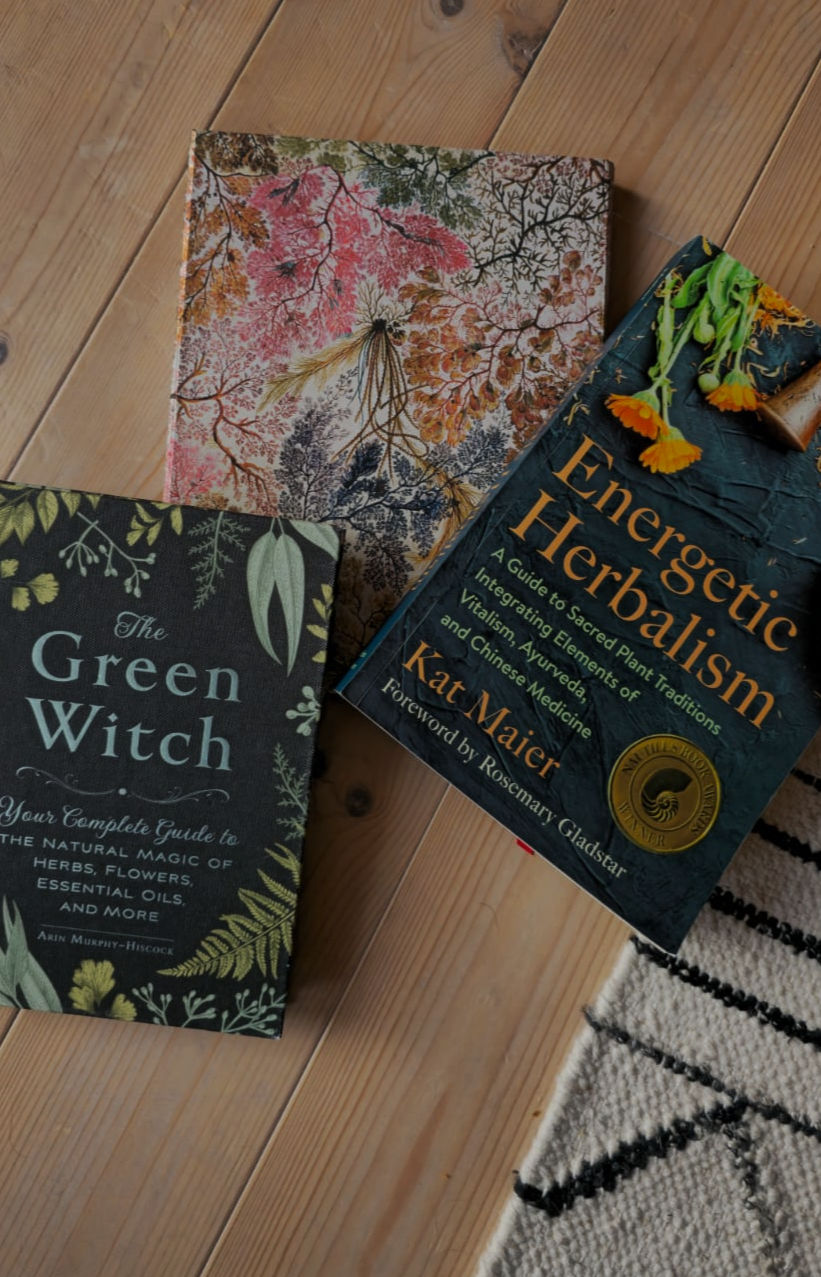
Read trusted books, take courses, or learn from experienced herbalists. Balance intuitive work with basic knowledge about plant identification, preparation, and safe use.
5. Grow or source herbs mindfully
If possible, grow a few herbs yourself, even on a windowsill. If not, source them from ethical, reputable growers. How a plant is grown and harvested matters.
6. Move slowly
Herbalism is not about quick results. Let your understanding unfold over time, season by season. A slow approach builds trust, confidence, and depth.
Starting herbalism is less about doing it “right” and more about beginning with presence, curiosity, and respect. For the plants and for yourself.


Comments